The Essential Checklist for Successful Home Restoration Alongside Experienced Builders
Home remodeling can be an intimidating task, often filled with unexpected challenges. A well-organized approach is vital for success. By following a systematic checklist, homeowners can manage the complexities of the process. From establishing goals to selecting the right builders, each step plays a pivotal role. Understanding these elements will set the foundation for a seamless and rewarding remodeling experience. What are the key steps to ensure everything goes according to plan?
Set Your Redesign Goals
What do homeowners really desire to achieve through remodeling? For many, it centers on improving functionality and aesthetics within their living space. Homeowners often seek to create an space that showcases their individual taste while improving comfort and usability. These goals can vary widely, from boosting storage space in a kitchen to transforming a basement into a recreation space.
Some may prioritize boosting the home's market value, aiming for a profit through strategic renovations. Others focus on addressing specific issues, such as old-fashioned elements or poor spatial design. Creating clear remodeling goals is crucial, as it guides decisions throughout the process. Homeowners should evaluate their lifestyle needs, the architectural integrity of their home, and long-term aspirations, ensuring that the remodeling project matches their vision. By outlining these objectives early on, they can set a solid foundation for an successful remodeling experience.
Develop a achievable financial budget
Creating a realistic budget is important for any home improvement undertaking, as it directly influences the extent and standard of the work. Residents should start by examining their economic condition, taking into account savings, revenue, and possible loan alternatives. A thorough budget should contain costs for materials, services, authorizations, and unexpected expenses, typically setting aside an additional 10-20% for contingencies.
Next, homeowners should prioritize their remodeling goals, separating essential items and optional upgrades, which can help in distributing budget efficiently. Investigating average costs for similar projects in the area can provide useful information into fair costs.
In conclusion, engagement with professional builders is necessary; they can furnish estimates and guidance that adhere to the established budget. By managing the budgeting process prudently, homeowners can promise their remodeling project remains financially feasible while securing the desired outcomes.
Investigate and Gather Ideas
As occupants commence on their remodeling journey, researching and gathering inspiration is an essential step that can greatly influence the design and functionality of their space. This phase allows them to investigate various design options, building materials, and layouts that suit their vision. Utilizing platforms such as Pinterest, Instagram, and home improvement websites offers a vast array of ideas and examples. Homeowners are encouraged to develop mood boards or collect images that reflect their desired aesthetic.
In addition, checking out local showrooms or open houses can render tangible insights into how different elements fit together. Partnering with communities, whether online or in-person, can also stimulate novel concepts and promote discussions about innovative solutions. By allocating effort in research, homeowners can clarify their wants, ensuring that their final design conveys their individual tastes and addresses their practical needs. This preliminary stage will tremendously enhance the entire renovation experience.
Build a thorough Timeline
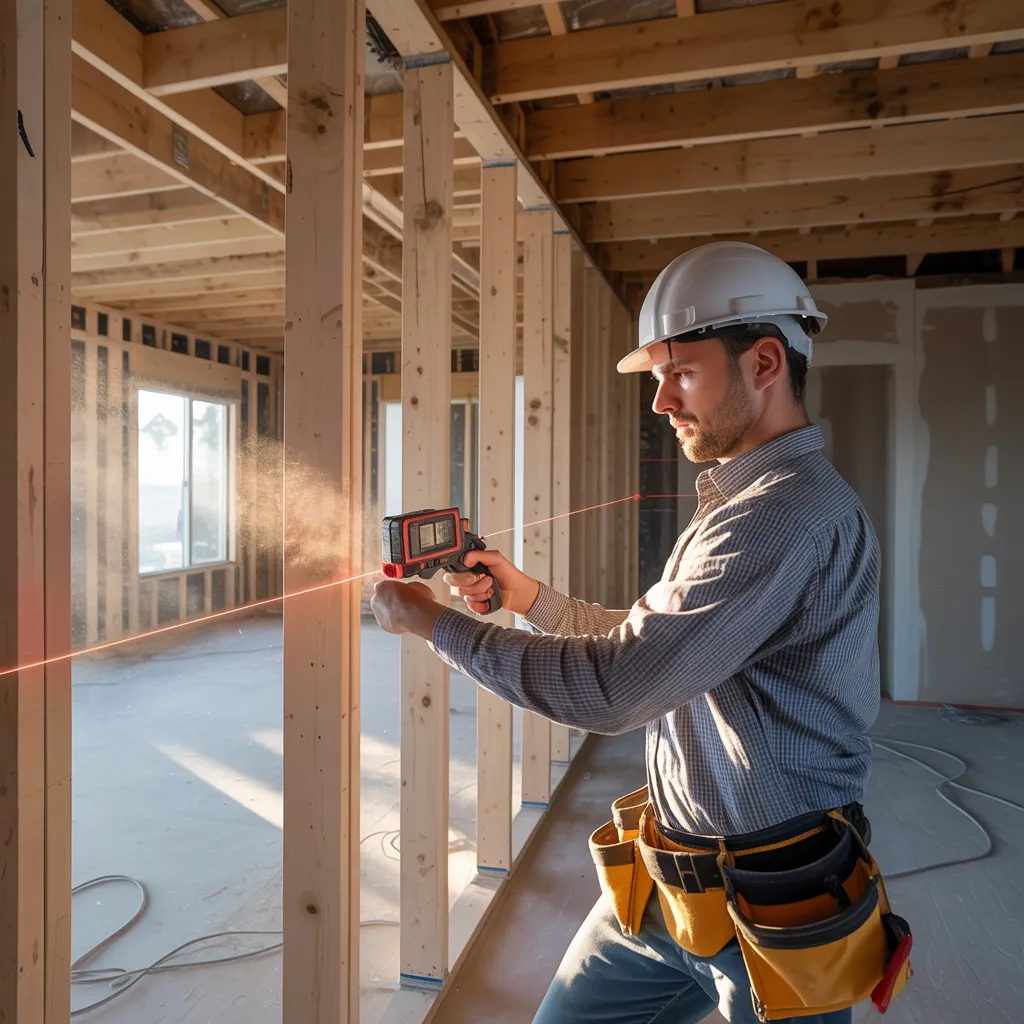
Creating a comprehensive timeline is essential for homeowners to efficiently oversee their remodeling undertaking, ensuring that each stage is finished on schedule. A well-structured timeline outlines all stages of the renovation, from opening design consultations to the concluding inspection. Homeowners should start by identifying key checkpoints, such as licenses, design approvals, full details and procurement of supplies.
Next, they must set realistic timeframes for each task, factoring in potential delays and the availability of resources. Building in buffer periods can help address unforeseen issues, such as weather-related setbacks or supply chain disruptions.
Regularly examining and modifying the timeline throughout the project will keep all parties informed and accountable. Strong dialogue with involved stakeholders is crucial, as it promotes collaboration and reduces confusion. By adhering to a thorough timeline, homeowners can navigate their renovation process with greater confidence and clarity, ultimately attaining their intended outcomes.
Pick the Perfect Trained Builders
Choosing the ideal expert contractors is a vital step in the renovation project that substantially influences the quality and efficiency of the undertaking. To start, homeowners should find builders with a proven standing and considerable background in the specific kind of project they envision. Investigating web-based testimonials, requesting recommendations, and verifying qualifications can deliver valuable insights into a builder's dependability and skill.
Additionally, it is important to conduct conversations with interested construction professionals to gauge their interpersonal abilities, strategy to managing projects, and willingness to collaborate. Homeowners should request thorough estimates that outline materials, labor, and deadlines to guarantee clarity and avoid unexpected charges. Finally, validating coverage and licensing is paramount, as it safeguards the homeowner from potential liabilities. By prudently appointing professional builders, homeowners can lay the groundwork for a successful remodeling experience that meets their expectations and improves their residence.
Acquire Necessary Licenses
When beginning any remodeling project, acquiring required permits is essential to affirm compliance with municipal construction standards and regulations. This procedure guarantees that the project follows to safety standards and zoning regulations, ultimately shielding the homeowner from likely penalties or legal complications. The kinds of permits required can vary considerably based on the scope of work; common permits include structural, electrical, water systems, and mechanical permits.
Homeowners should begin by speaking with their municipal building office to understand specific requirements and procedures. It is sensible to compile all applicable documentation, such as architectural designs and service provider details, to expedite the permitting process.
Retaining qualified contractors can also ease this step, as they are often conversant with local regulations and can facilitate securing the necessary permits. By stressing this critical aspect of remodeling, homeowners can avert delays and validate the project's successful completion within the legal framework.
Communicate Your Vision Clearly
How can homeowners guarantee their remodeling project aligns with their expectations? The secret lies in clear communication of their vision to the licensed builders. Homeowners must share their ideas, preferences, and must-haves explicitly. This includes covering design elements, materials, color schemes, and overall functionality. Utilizing visual aids like photos, sketches, or mood boards can greatly enhance understanding between homeowners and builders.
Furthermore, it is necessary for homeowners to establish priorities. By detailing what is most important to them, builders can focus on these elements during the remodeling process. Regular check-ins and communications throughout the project ensure that any potential misunderstandings are addressed quickly. Open dialogue encourages teamwork and fosters a productive relationship, ultimately leading to a successful outcome. By being proactive in dialogue, homeowners can help guarantee that the final result reflects their vision and meets their expectations.
Get Your Home ready for Construction
When the remodeling project nears, homeowners need to adopt proactive strategies to prepare their home for construction. Such preparation streamlines the process while also minimizing disruptions. Initially, decluttering the construction zones by removing belongings, furnishings, and decorative elements that might hinder progress or suffer harm is critical. Homeowners must likewise designate a specific area where workers can store equipment and supplies, ensuring a safe and organized environment.
Next, it is vital to communicate with neighbors about the planned project, as construction can be loud and problematic. Additionally, placing pets in a separate space away from the work zone can minimize stress and accidents. Homeowners should also consider turning off utilities in specific areas if required for safety. Finally, maintaining clear access points for construction crews will streamline a smoother workflow and contribute to an effective remodeling experience. Good preparation lays the groundwork for a effective project.
Observe advancement and sustain engagement

To assure a successful remodeling project, homeowners must carefully track progress through regular site visits. Establishing effective communication channels with construction partners is essential for addressing issues and supporting prompt communication. Remaining involved helps maintain alignment with project goals and timelines.
Regular Site Inspections
Consistent property inspections are vital for homeowners to properly oversee the development of their renovation projects. Through regular site attendance, property owners can assess the standard of craftsmanship and confirm that the work corresponds to their vision. These visits create an opportunity to identify any issues early on, enabling swift resolution before complications arise. Homeowners can likewise verify that supplies are being used as specified in the plans, protecting their financial stake. Furthermore, observing the day-to-day advancement can build a deeper understanding of the remodeling process, assisting homeowners take educated decisions. In conclusion, consistent property visits not only enhance construction management but also keep homeowners engaged in the remodeling of their living areas.
Establish Open Messaging Routes
Establishing clear communication pathways is vital for homeowners looking to actively monitor the advancement of their remodeling projects. Effective communication fosters a joint environment between homeowners and builders, allowing for timely reports and feedback. Homeowners should plan regular check-ins, either in-person or through digital platforms, to discuss project milestones and tackle any concerns. Utilizing tools such as project management apps can support transparency, allowing all parties to track progress in real-time. Additionally, maintaining an open dialogue promotes builders to share information on timelines and potential challenges. By emphasizing communication, homeowners can assure that their vision is realized while remaining aware and engaged throughout the remodeling process. This proactive approach ultimately leads to a smoother and more successful project outcome.
Perform a Conclusive Inspection and Assessment
A concluding walkthrough is necessary to confirm that all aspects of the renovation effort meet expectations. Key areas should be inspected thoroughly to detect any pending concerns that may need addressing. Swift correction of these concerns can help to attain a satisfactory completion of the project.
Systematically scrutinize key areas
Thoroughly inspecting key areas during the final walkthrough is crucial for ensuring that every detail of the renovation work satisfies expectations. Homeowners should prioritize critical spaces such as kitchens, bathrooms, and living areas, examining finishes, fixtures, and installations. Attention should be paid to the standard of craftsmanship, ensuring that all elements align with the agreed-upon plans. Verifying correct operation of appliances, plumbing, and electrical systems is vital to verify that everything operates as intended. Additionally, reviewing paint quality, flooring installation, and trim details can uncover any necessary corrections. Engaging in this thorough examination fosters clear communication with builders and guarantees that the completed project fulfills the homeowner's vision and standards before finalizing the remodel.
Resolve Outstanding Matters Promptly
Carrying out a final walkthrough is necessary for addressing any remaining problems that have arisen during the remodeling process. This step enables homeowners to inspect the completed work and recognize any discrepancies from the original plans. During the walkthrough, it is crucial to document on areas requiring attention, such as incomplete items, paint touch-ups, or installation errors. Homeowners should raise these concerns directly with the builders to ensure clarity and mutual understanding. Quickly addressing these issues can avoid further complications and extra costs in the future. A thorough review not only ensures satisfaction with the completed project but also promotes a positive relationship between the homeowner and builders, setting the stage for future cooperation.
Frequently Common Questions
How Do I Manage Unexpected Expenses During Remodeling?
To confront surprise outlays during remodeling, one should set aside a safety net fund, underscore primary fixes, coordinate openly with construction teams, and examine flexible design options to absorb unexpected outlays without harming the overall project.
What Choices Do I Have if I'm Unhappy With the Work?
Should discontent arise, the party must articulate detailed concerns to the builders, looking for clarification and resolutions. Maintaining documentation of problems and reviewing the contract can support in settling conflicts and ensuring adequate completion of the project.
How Can I Preserve My Home's Performance During Construction?
To preserve a home's functionality during renovation, one can create designated living areas, establish a clear schedule with builders, communicate regularly, and ensure vital utilities like water and electricity continue without interruption throughout the remodeling process.
What Assurances or Assurances Should I Demand From Builders?
Homeowners must anticipate builders to deliver protections covering workmanship, materials, and structural integrity. Typical protections run from one to ten years, depending on the scope of work, guaranteeing coverage against defects and necessary repairs.
How Do I Choose Materials That Match My Aesthetic and Budget?
To choose materials that suit personal style and spending limit, one should investigate options, evaluate costs, assess durability, and consult professionals. Samples can help picture aesthetics, guaranteeing educated choices that balance beauty and financial constraints.